15–16 September 2026 | Abuja, Nigeria
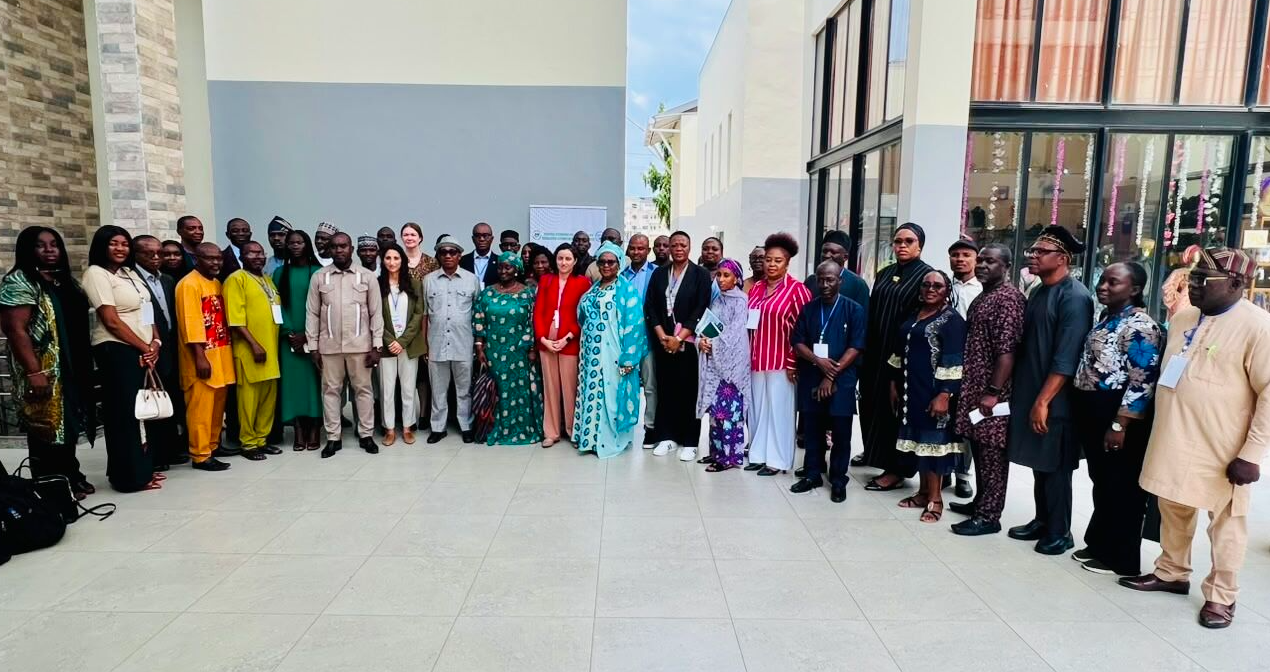
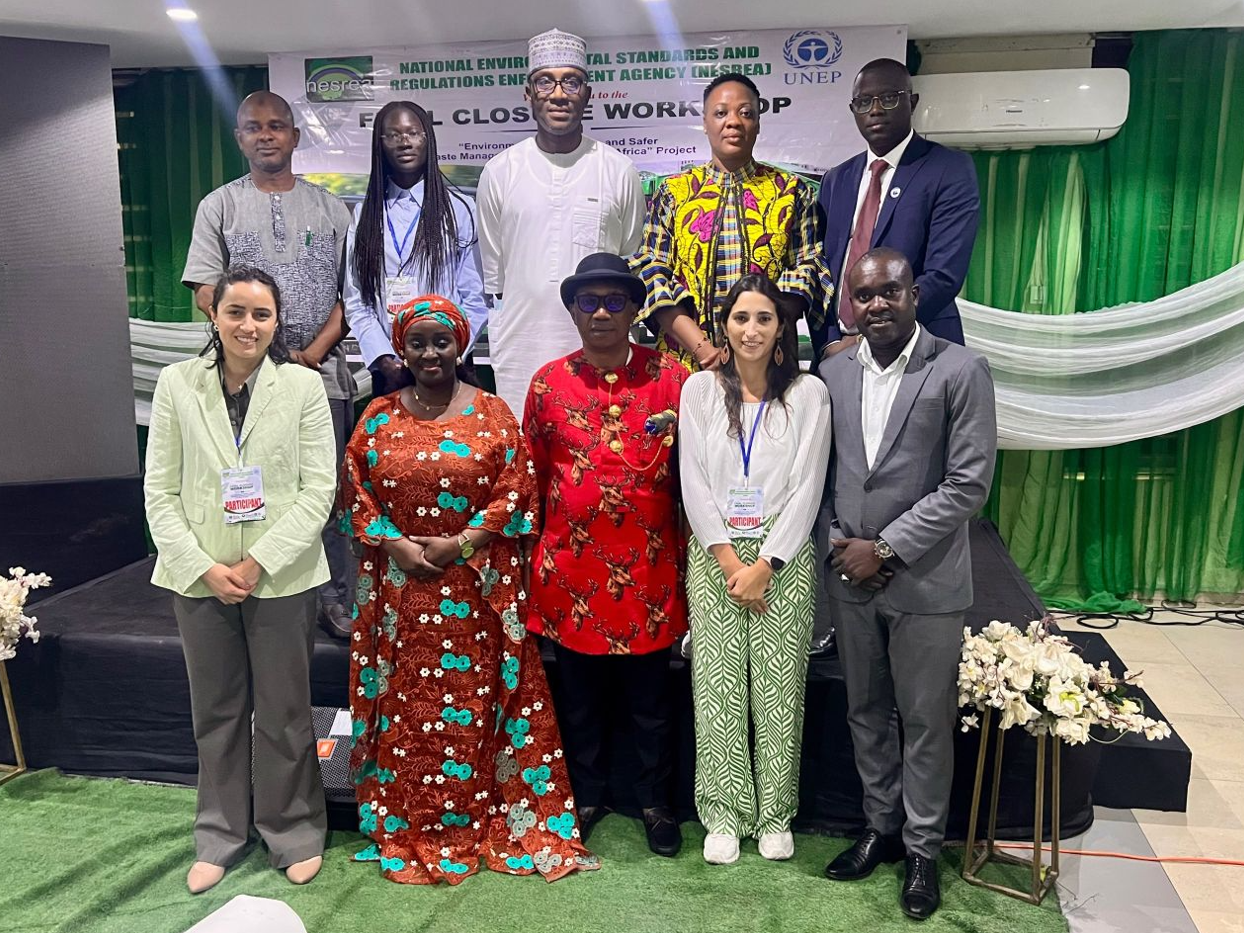
UNEP, in collaboration with NESREA – the Nigerian National Environmental Standards and Regulations Enforcement Agency, held a regional closing workshop in Abuja, Nigeria, on 15–16 September 2026 to review and validate the results of the three-year under the “Environmentally Sound and Safer Waste Management Frameworks in Africa” project, implemented from 2023 to 2026. The project was undertaken in response to requests for technical legal assistance under the Montevideo Environmental Law Programme from Nigeria, Guinea-Bissau and Sierra Leone.
The project addressed gaps in national waste management frameworks, particularly their limited alignment with International Good Practices on Integrated Solid Waste Management principles and insufficient recognition and integration of the informal waste sector. It aimed to support nationally appropriate frameworks that strengthen environmentally sound waste management while promoting environmental protection, health, safety, inclusion and decent work.
The project assessed existing legal, regulatory and institutional frameworks; applied the UN-Habitat Waste Wise Cities Tool (WaCT) in selected municipalities; and conducted stakeholder consultations and validation workshops in the three countries. These activities informed country-specific assessment reports, comparative analyses, reform recommendations and draft legislative provisions tailored to national contexts.
Across the three countries, the findings highlighted eight key areas requiring attention: (i) strengthening legal frameworks; (ii) institutional coordination; (iii) planning and implementation; (iv) information systems and data; (v) sustainable financing; (vi) circular economy approaches and Extended Producer Responsibility; (vii) integration of the informal waste sector; and (viii) public participation and environmental education.
The workshop reviewed and validated these key findings and proposed reforms and considered pathways for national implementation, adoption, resource mobilization and sustainability beyond project closure.
While the project has now formally concluded, its longer-term impact will depend on the extent to which the participating countries use the evidence, recommendations and draft legislative provisions to advance national waste management reforms.