Filter by:
Law and Plastics Taxonomy
-
Compliance and enforcement
(1)
- Emissions and releases (24)
- Impacts (7)
- Littering (8)
-
Marine litter
(9)
- Institutional arrangements (6)
-
Coordination
(4)
- Financing (1)
- Integration and mainstreaming (4)
- Public participation (5)
- Plastic materials and production (20)
-
Microplastics
(3)
-
Primary microplastics
(2)
- Plastic polymers (7)
-
Synthetic polymers
(7)
- Polyethylene terephthalate (4)
-
Polyolefins
(1)
- Polystyrene (5)
- Plastics (19)
- Policy approaches (15)
- Circular economy (9)
-
Economic instruments
(5)
- Fines (2)
-
Taxes
(3)
- Extended Producer Responsibility (3)
- Life-cycle approach (2)
- Product bans (2)
- Problematic and avoidable plastic products (16)
-
Short-lived plastic products
(16)
-
Plastic packaging
(12)
- Plastic carrier bags (11)
-
Plastic containers
(2)
- Single-use plastic products (14)
- Product design, composition and performance (3)
-
Product design and performance
(3)
-
Labelling
(3)
- Waste management (23)
-
Dumping
(4)
- Fishing gear (2)
- Waste (22)
- Domestic waste (2)
- Dumpsites (1)
-
Hazardous waste
(3)
- Waste collection (3)
- Waste disposal (2)
- Waste management facilities (1)
- Waste management plans (1)
- Waste minimization (8)
- Waste prevention (1)
- Waste treatment and processing (17)
Showing 1 - 10 of 14 resultsCase study | 2022Plastic Pollution in NamibiaIn Namibia, as is the case with the rest of the world, efforts aimed at addressing the problem of marine litter and pollution are increasing as the risk continues to wreak havoc on the world's oceans and coastal areas (Shigwedha and Shikongo, 2021).CountryNamibia Case study | 2022Plastic Pollution in GhanaIn Ghana, plastics litter large swathes of the five hundred kilometre coastline and impacts marine spaces. Estimates for Ghana’s contribution to global marine debris range from approximately 92,000 to 260,000 metric tons every year, or one to three percent of the global total. Putting Ghana’s score on the Ocean Health Index at a rapidly declining 59 in 2019 and ranked 188 out of 221 exclusive...CountryGhana
 Case study | 2021Plastic Pollution Policy Country Profile: AustraliaThis Policy Brief outlines: 1) the nature of the plastic pollution problem in Australia, 2) available information about the national, subnational, and to a smaller extent, international policy landscape guiding government approaches to the plastic pollution problem in Australia, and 3) what, if any, information exists about the effectiveness of these policy approaches. Source: Bering, J. and R...CountryAustralia
 Case study | 2021Plastic Pollution Policy Country Profile: IndonesiaThis Policy Brief outlines: 1) the nature of the plastic pollution problem in Indonesia, 2) available information about the national, subnational, and to a smaller extent, international policy landscape guiding government approaches to the plastic pollution problem Indonesia, and 3) what, if any, information exists about the effectiveness of these policy approaches. Source: Wang, Y. and R. Karasik...CountryIndonesia
 Case study | 2021Plastic Pollution Policy Country Profile: MalawiThis Policy Brief outlines: 1) the nature of the plastic pollution problem in Malawi, 2) available information about the national, subnational, and to a smaller extent, international policy landscape guiding government approaches to the plastic pollution problem in Malawi, and 3) what, if any, information exists about the effectiveness of these policy approaches. Source: Griffin, M., and R...CountryMalawi
 Case study | 2021Plastic Pollution Policy Country Profile: PhilippinesThis Policy Brief outlines: 1) the nature of the plastic pollution problem in the Philippines, 2) available information about the national, subnational, and to a smaller extent, international policy landscape guiding government approaches to the plastic pollution problem in the Philippines, and 3) what, if any, information exists about the effectiveness of these policy approaches. Source...CountryPhilippines
 Case study | 2018CarnicycleCarnival parades, fetes, competitions and other parties are important to the economic growth of many islands in the Caribbean. Carnival is a cultural event that attracts hundreds of thousands of Caribbean natives and tourists from different countries each year. However, despite the positive economic and social benefits derived from Carnival, Caribbean islands that host such events are most at risk...CountryBarbadosJamaicaTrinidad and TobagoUnited States of America
 Case study | 2013Regional Plan on Marine Litter Management in the MediterraneanWith the Regional Plan on Marine Litter Management in the Mediterranean (the Plan), the UNEP Mediterranean Action Plan (MAP) was the first Regional Seas Programme and Convention to develop legally binding measures to prevent and reduce the adverse effects of marine litter on marine and coastal environments. Adopted in 2013, the entry into force of the Plan coincided with the update of national...CountryAlbaniaAlgeriaBosnia and HerzegovinaCroatiaEuropean UnionFranceGreeceIsraelItalyLebanonLibyaMaltaMonacoMontenegroMoroccoSloveniaSpainTunisiaTürkiye
 Case study | 2013Eko RedThe theme of the Eko Red project, a green company, is “The circular economy: reuse, reuse and recycle” given that we are a company focused on the design and operation of a sustainable model that allows us to recycle post-industrial products into the supply chain through a circular economy model that includes recyclers, warehouses and factories; enabling the reduction of environmental impacts and...CountryColombia
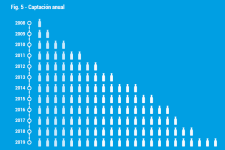 Case study | 2013Sustainable Enterprises Network (RedES) ProgramThe Sustainable Enterprises Network (RedES) drives changes towards sustainable production systems in companies and value chains in order to improve efficiency and competitiveness. Since 2013, RedES has been applied in Cundinamarca, Colombia through the RedES-CAR program. In this program, 550 companies have adopted the circular economy strategies of Cleaner Production and Industrial Symbiosis...CountryColombia
- Waste management (23)
-
Labelling
(3)
- Single-use plastic products (14)
-
Plastic packaging
(12)
- Polystyrene (5)
- Plastic polymers (7)
-
Primary microplastics
(2)
- Financing (1)
- Institutional arrangements (6)
- Emissions and releases (24)