Filter by:
Law and Plastics Taxonomy
-
Compliance and enforcement
(1)
- Emissions and releases (24)
- Impacts (7)
- Littering (8)
-
Marine litter
(9)
- Institutional arrangements (6)
-
Coordination
(4)
- Financing (1)
- Integration and mainstreaming (4)
- Public participation (5)
- Plastic materials and production (20)
-
Microplastics
(3)
-
Primary microplastics
(2)
- Plastic polymers (7)
-
Synthetic polymers
(7)
- Polyethylene terephthalate (4)
-
Polyolefins
(1)
- Polystyrene (5)
- Plastics (19)
- Policy approaches (15)
- Circular economy (9)
-
Economic instruments
(5)
- Fines (2)
-
Taxes
(3)
- Extended Producer Responsibility (3)
- Life-cycle approach (2)
- Product bans (2)
- Problematic and avoidable plastic products (16)
-
Short-lived plastic products
(16)
-
Plastic packaging
(12)
- Plastic carrier bags (11)
-
Plastic containers
(2)
- Single-use plastic products (14)
- Product design, composition and performance (3)
-
Product design and performance
(3)
-
Labelling
(3)
- Waste management (23)
-
Dumping
(4)
- Fishing gear (2)
- Waste (22)
- Domestic waste (2)
- Dumpsites (1)
-
Hazardous waste
(3)
- Waste collection (3)
- Waste disposal (2)
- Waste management facilities (1)
- Waste management plans (1)
- Waste minimization (8)
- Waste prevention (1)
- Waste treatment and processing (17)
Showing 11 - 20 of 23 resultsCase study | 2021Plastic Pollution Policy Country Profile: PhilippinesThis Policy Brief outlines: 1) the nature of the plastic pollution problem in the Philippines, 2) available information about the national, subnational, and to a smaller extent, international policy landscape guiding government approaches to the plastic pollution problem in the Philippines, and 3) what, if any, information exists about the effectiveness of these policy approaches. Source...CountryPhilippines Case study | 2021Environmental and Social Management Plan for Upgrading of Island Waste and Resource Management Centre with Anaerobic Technology at Muli, Meemu AtollMuli is one of the 9 inhabited islands in Meemu atoll in the central Maldives. Like almost all island of Maldives, the Muli island is also vulnerable to environmental and economic development variables such as waste management, rising sea level, coastal erosion, pollution/depletion of groundwater. Traditionally, food waste is generally disposed to the shoreline while other organic waste was burnt...CountryMaldives
 Case study | 2021Environmental and Social Management Plan for Upgrading of Island Waste and Resource Management Centre with Anaerobic Technology at Nilandhoo, Faafu AtollNilandhoo is one of the 5 inhabited islands Faafu atoll in the southcentral area of Maldives. Similar to almost all island of Maldives, the island is vulnerable to environmental and economic development variables such as rising sea level, coastal erosion, pollution/depletion of groundwater and unmanaged waste. The existing IWRMC on the SE end of the island was developed by the Island Council. The...CountryMaldives
 Case study | 2021Single Use Plastic Phase Out PlanThis phase-out plan is a national initiative to phase-out the production, import and consumption of certain single-use plastics in the Maldives and promote the use of sustainable alternatives, in the effort to protect human health and the vulnerable marine environment of the country. In addition, by using strategic awareness and educational campaigns, the aim of this plan is to reduce the...CountryMaldives
 Case study | 2021National Plastics Plan 2021The National Plastics Plan outlines actions and key milestones to reduce Australia’s plastics problem. Its goals are to: Reduce plastic waste and increase recycling rates Find alternatives to the plastics we don’t need Reduce the amount of plastics impacting our environment. To achieve this it will: Phase out the most problematic plastics Work to make our beaches and oceans free of plastic Bring...CountryAustraliaCase study | 2018CarnicycleCarnival parades, fetes, competitions and other parties are important to the economic growth of many islands in the Caribbean. Carnival is a cultural event that attracts hundreds of thousands of Caribbean natives and tourists from different countries each year. However, despite the positive economic and social benefits derived from Carnival, Caribbean islands that host such events are most at risk...CountryBarbadosJamaicaTrinidad and TobagoUnited States of America
 Case study | 2013Regional Plan on Marine Litter Management in the MediterraneanWith the Regional Plan on Marine Litter Management in the Mediterranean (the Plan), the UNEP Mediterranean Action Plan (MAP) was the first Regional Seas Programme and Convention to develop legally binding measures to prevent and reduce the adverse effects of marine litter on marine and coastal environments. Adopted in 2013, the entry into force of the Plan coincided with the update of national...CountryAlbaniaAlgeriaBosnia and HerzegovinaCroatiaEuropean UnionFranceGreeceIsraelItalyLebanonLibyaMaltaMonacoMontenegroMoroccoSloveniaSpainTunisiaTürkiye
 Case study | 2013Eko RedThe theme of the Eko Red project, a green company, is “The circular economy: reuse, reuse and recycle” given that we are a company focused on the design and operation of a sustainable model that allows us to recycle post-industrial products into the supply chain through a circular economy model that includes recyclers, warehouses and factories; enabling the reduction of environmental impacts and...CountryColombia
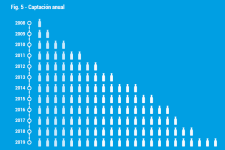 Case study | 2010Haags Bosch Sanitary Landfill FacilityThe increase in solid waste volumes through an expanding tourism industry and changes in consumption patterns in Guyana has prompted steady improvement in the Haags Bosch Sanitary Landfill Facility (HBSLF). The HBSLF is one of the most modern of its kind in the Caribbean. It is fully operational and uses best practices that includes waste segregation, leachate treatment, waste recovery, monitoring...CountryGuyana
 Case study | 2001Waigani Convention - South PacificThe Secretariat of the Pacific Regional Environmental Programme (SPREP) is the Pacific Regional Centre for the Joint Implementation of the Basel and Waigani Conventions. The objective of the Waigani Convention, adopted in 2001, is to reduce and eliminate transboundary movements of hazardous and radioactive wastes, minimize the production of hazardous and toxic wastes in the Pacific region, and...
- Waste management (23)
-
Labelling
(3)
- Single-use plastic products (14)
-
Plastic packaging
(12)
- Polystyrene (5)
- Plastic polymers (7)
-
Primary microplastics
(2)
- Financing (1)
- Institutional arrangements (6)
- Emissions and releases (24)