Filter by:
Law and Plastics Taxonomy
-
Compliance and enforcement
(1)
- Emissions and releases (24)
- Impacts (7)
- Littering (8)
-
Marine litter
(9)
- Institutional arrangements (6)
-
Coordination
(4)
- Financing (1)
- Integration and mainstreaming (4)
- Public participation (5)
- Plastic materials and production (20)
-
Microplastics
(3)
-
Primary microplastics
(2)
- Plastic polymers (7)
-
Synthetic polymers
(7)
- Polyethylene terephthalate (4)
-
Polyolefins
(1)
- Polystyrene (5)
- Plastics (19)
- Policy approaches (15)
- Circular economy (9)
-
Economic instruments
(5)
- Fines (2)
-
Taxes
(3)
- Extended Producer Responsibility (3)
- Life-cycle approach (2)
- Product bans (2)
- Problematic and avoidable plastic products (16)
-
Short-lived plastic products
(16)
-
Plastic packaging
(12)
- Plastic carrier bags (11)
-
Plastic containers
(2)
- Single-use plastic products (14)
- Product design, composition and performance (3)
-
Product design and performance
(3)
-
Labelling
(3)
- Waste management (23)
-
Dumping
(4)
- Fishing gear (2)
- Waste (22)
- Domestic waste (2)
- Dumpsites (1)
-
Hazardous waste
(3)
- Waste collection (3)
- Waste disposal (2)
- Waste management facilities (1)
- Waste management plans (1)
- Waste minimization (8)
- Waste prevention (1)
- Waste treatment and processing (17)
Showing 11 - 17 of 17 resultsCase study | 2021Plastic Pollution Policy Country Profile: PhilippinesThis Policy Brief outlines: 1) the nature of the plastic pollution problem in the Philippines, 2) available information about the national, subnational, and to a smaller extent, international policy landscape guiding government approaches to the plastic pollution problem in the Philippines, and 3) what, if any, information exists about the effectiveness of these policy approaches. Source...CountryPhilippines Case study | 2021Single Use Plastic Phase Out PlanThis phase-out plan is a national initiative to phase-out the production, import and consumption of certain single-use plastics in the Maldives and promote the use of sustainable alternatives, in the effort to protect human health and the vulnerable marine environment of the country. In addition, by using strategic awareness and educational campaigns, the aim of this plan is to reduce the...CountryMaldives
 Case study | 2013Regional Plan on Marine Litter Management in the MediterraneanWith the Regional Plan on Marine Litter Management in the Mediterranean (the Plan), the UNEP Mediterranean Action Plan (MAP) was the first Regional Seas Programme and Convention to develop legally binding measures to prevent and reduce the adverse effects of marine litter on marine and coastal environments. Adopted in 2013, the entry into force of the Plan coincided with the update of national...CountryAlbaniaAlgeriaBosnia and HerzegovinaCroatiaEuropean UnionFranceGreeceIsraelItalyLebanonLibyaMaltaMonacoMontenegroMoroccoSloveniaSpainTunisiaTürkiye
 Case study | 2013Eko RedThe theme of the Eko Red project, a green company, is “The circular economy: reuse, reuse and recycle” given that we are a company focused on the design and operation of a sustainable model that allows us to recycle post-industrial products into the supply chain through a circular economy model that includes recyclers, warehouses and factories; enabling the reduction of environmental impacts and...CountryColombia
 Case studyAfrica Region – Plastic Pollution and Marine Litter Law and PolicyAfrica, the second largest continent in the world, is experiencing a higher urban population growth (estimated at 3.5% per year) than any other continent, with a steep rise in the middle class and the associated increase of municipal solid waste from 0.78kg per capita per day to 0.99kg by 2025. When coupled with various waste management challenges, there is an expected increase in mismanaged waste...CountryBotswanaGambiaGhanaKenyaMalawiMauritiusRwandaSeychellesSouth AfricaUgandaUnited Republic of TanzaniaZambiaZimbabwe
 Case studyEuropean Union - Legal FrameworksThe European Union has set in motion various initiatives to combat plastic waste and pollution.CountryEuropean Union
 Case studyNavarra region SUP ban, reusable targets for HORECA sectorSince 2018, a regional law in Navarra requires businesses in the hotel, retail and catering (HORECA) sector to serve 80% of beer, 70% of soft drinks and 40% of water in reusable containers, by 2028. By the same deadline, 15% of beverage containers sold in shops must be reusable. Source: Rethink Plastic Alliance (2022). Single Use Plastics Directive Implementation Assessment Report.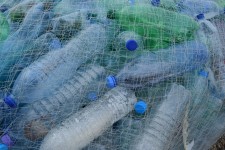
- Waste management (23)
-
Labelling
(3)
- Single-use plastic products (14)
-
Plastic packaging
(12)
- Polystyrene (5)
- Plastic polymers (7)
-
Primary microplastics
(2)
- Financing (1)
- Institutional arrangements (6)
- Emissions and releases (24)